That trick only applies to German, mind — in German,
Geschuetz and
Geschütz are the same word (the ¨ is a mutated small
e written above the preceding letter), but for example in Swedish, Danish, Dutch, and whathaveyou, this rule does not apply. (For example, I have a book that includes the word
Passchendäle, which clearly results from someone misapplying this rule the other way around. In the old Dutch spelling that English still uses for that place name,
ae indicates a long “ah” sound, not the short “e” like the German
ä.)
As another typing aid, though, if you’re using a Mac computer, an iPhone, iPad, or other Apple device, keep the vowel key pressed. A menu will pop up with the letter plus various accents; on a Mac you can click the one you want with your mouse or press the number next to it, while on iPhone etc. you just tap it.
View attachment 359757
Now, help with your translations:
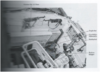
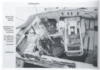
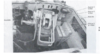
Zugfeder = tension spring
Geschützführersitz = gun commander’s seat
Hubhebel = elevating handle
Bodenklappe = floor hatch
Kochgeschirr = mess tin
Raum für 6 Schußkasten = room for 6 ammunition boxes
Kästchen zur Aufnahme v. 12 Leuchtpatronen = box (
diminutive) for stowage of 12 flares
Schnallriem zur Zerrung des Scherenfernrohrs = strap for securing of the scissors telescope
Gasmaske = gas mask
Feldflashe = canteen
Geschütz = gun
Kasten f. 3 Patr. = box f. 3 rnds
Kasten f. 4 Patr. = box f. 4 rnds
Rutsche = chute
Kästen f. je 5 Patr. = boxes f. 5 rnds each