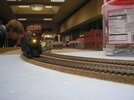
Bit of an aside about “ballast magic” here for John.
It is designed for holding ballast in place on trackwork, and will work best in this application on full depth sleepered trains set track such as Peco or Hornby. It’s a very traditional technique that has been around since Pontius was a pilot…..
I used to put the ballast on, get the shoulders right, then glue it in place using dilute PVA with a drop of dish soap to break surface tension. The glue was added to the ballast using a garden mist spray or eye dropper.
The ballast magic product sounds exactly like cascamite cascamite, which was another way of doing it……mix cascamite with the ballast, then spray the whole with water, activating the glue.
Trouble is, both of these methods make a very noisy rigid track surface because the track is basically set in concrete. They are also extremely unforgiving if you need to re lay track. They also don’t work so well with hand built track that uses rivet and ply construction because the sleepers are much thinner, making ballast placement harder.
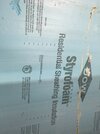
More modern methods, adopted by finescale modellers during the nineties, involved glueing track to a flexible sub support (camping mats were good) using rubber based glue and adding the ballast at the same time….ballast being died cork rather than crushed stone. This was much more compliant, so gave better track holding, and was very quiet in use. It is also much better for those using DCC control as you can actually hear the sound effects made by the kit when the trains are running.
Sorry about the interlude……
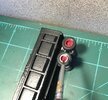
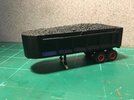
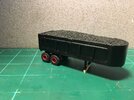
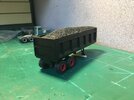
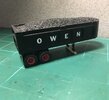
Wagon is looking good by the way Lee….



Couldn't help it Lee....just getting my coat....