Very realistic Grahame,if I can at this point explain a bit about these devices and their real purpose-
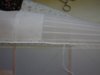
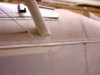
Take a look at many pictures of World War 1 aeroplanes,and you will quickly notice that maintenance in the field was far from perfect,in order to be able to inspect and more especially repair broken longerons etc the fabric was placed as a bag onto the fuselage,the sides and belly had flexible metal cleats made from what is best described as a malleable lead like material,if you want to inspect even today these applied in a relatively modern form take a look at a Tiger Moth belly,or a Rapide underside,you will see how beeswaxed twine is pulled between the cleats and the fabric pulled tight,at the end of the run it is simply looped around the cleat,then a fabric strip is applied over the twine and cleat combined,why beeswax ? well this easily takes and adheres to
aircraft cellulose dope.
You can quite often see where an over zealous application of pulling the twine,has caused the fabric to buckle on WW1 machines,the correct way is to soften the doped area by applying a dope remover and then to stretch ! nine times out of ten not enough time in the field to do the job properly and that awful crinkled finish appears as is evident in photographs taken at the time.
These days with metal monocoque construction only small round opening panels are needed to check the integrity of a structure,back then things were a bit more basic.
I hope this explains a bit more the purpose behind those little beads that you have used,that represent an important part of these wonderful old biplanes.