Theme editor

Scale Model Shop

Tyres

  • Thread starter Thread starter Guest
  • Start date Start date
Status
Not open for further replies.
G

Guest

Guest
Thread owner
Can anyone share what brand of paint and colour they use to replicate tyres. Thank you.
 
The thing about tyres is, they're not black, or shiny. Something often seen on some builds. I mix my own very dark grey. Just like the tyres on your car/bike, and then I might use a chalk pastel just to add a bit of variation to the colour.
 
Thread owner
I use tamiya rubber black. It dries matt and has a grey blue tinge to it.
 
Thread owner
Depends really on if you are after pristine or used in the desert etc.


Any of the greys to suit. For pristine Revell Aqua Anthracite is a very nice colour.


Laurie
 
i use revell aqua too.....either the anthricite or tar black......which ever i pick up first....both are an 'off -black' which looks rubbery to me.....then weather up with a mud wash if its military subject
 
I sometimes use WEM 'Tyre Black' but as many have said you just want a dark grey. It's easy to mix your own using your bog standard black paint as a base.


The WW2 era aircraft tyres which I've seen first hand (British and German) are generally quite black to the naked eye but on a model this doesn't look right.


Cheers


Steve
 
Another consideration is the scrub on the tyre. You may have this shiny black finish to the side walls but the crown and shoulders wear and became a lighter hue, this is common on aircraft tyres. Some also accumulate mud, think helicopters and WW1 &2 aircraft operating from grass strips.
 
Thread owner
I just paint mine black then do a grey wash. Don't know if they look right or not but I also like my aircraft flying so I don't see them anyway.
 
Thread owner
\ said:
I use a dark grey spray paint-rattle can and then add black mottling, once dry I weather.
Did not realise you had tyres on your models Si ;)


Laurie
 
\ said:
Some also accumulate mud, think helicopters and WW1 &2 aircraft operating from grass strips.
I do agree with you but it is worth remembering that the reason many aircraft tyres were untreaded and smooth, particularly British, was precisely because they would be fitted to aircraft operating from unmade or grass strips. Being smooth meant that they were much less likely to pick up mud or stones and then chuck them at the delicate structures (flaps, radiators etc) under the aircraft. That doesn't mean that smooth tyres didn't weather as you suggest, but they were unlikely to pick up mud and dirt like their treaded equivalents.


Cheers


Steve
 
Thread owner
A few interesting tyres here.


https://www.google.com/search?q=pictures+aircraft+tyre+ww2&safe=active&tbm=isch&tbo=u&source=univ&sa=X&ved=0CCcQsARqFQoTCLeAgdem_sgCFcH2Dgod348LVw&biw=1920&bih=916


Amazed that during war photos were taken of tyres. Weird world we live in.


Laurie
 
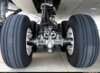
This an example of tyre scrub on an A380 body landing gear, this axle is steerable so it may exaggerate the effect but you get the idea.


View attachment 124244


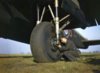
Steve makes valid points regarding smooth tyres, my experience is of modern aircraft, my first posting was in the tyre bay at RAF Kinloss - but even smooth tyres attracted mud...and the odd oil spill.


View attachment 124245


Alan doesn't make it clear if he is referring to aircraft or road tyres but there is commonality.

View attachment 237135

View attachment 237136
 

Attachments

  • image.jpg
    image.jpg
    2.9 KB · Views: 0
  • image.jpg
    image.jpg
    2.5 KB · Views: 0
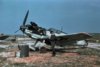
You get the same 'scrubbing' on WW2 aircraft tyres. It tends to be more pronounced on aircraft operated from made surfaces, but some unmade can be quite abrasive too. Of course even smooth tyres do pick up muck, they just tend not to become encrusted in the same way as a treaded tyre which is obvious really! A lot of German tyres were a sort of 'intermediate', grooved but not really treaded. Theres a great film somewhere of some Fw 190s taking off from an almost flooded air strip which makes the mind boggle.


View attachment 124247


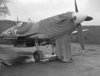
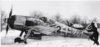
Even taxying on soaked grass could attract some muck. This is one of my favourites. The aircraft is pristine, but the tyres!


View attachment 124248


A little common sense is all it needs.An aircraft operating from a desert strip in Libya is unlikely to have muddy tyres, just a dusting of sand/dust. One operating from a forward airfield in the Russian autumn/winter (or any time of year in Britain) may well do


Cheers


Steve

View attachment 237138

View attachment 237139
 

Attachments

  • 03_1_zpsbcotxgii.jpg
    03_1_zpsbcotxgii.jpg
    2.3 KB · Views: 0
  • FA_18386s_zpsruh7yn5p.jpg
    FA_18386s_zpsruh7yn5p.jpg
    2 KB · Views: 0
I've done A/F's on Puma's and Chinooks with big dollops of mud and "farm by-products" encasing the wheels and Sea Kings with snow covering the wheels and half filling the gear compartments. You're' right Steve, close attention to the operating environment is the key.


One of the certification requirements for new aircraft is the waterlogged runway test. In the case of A380 the harness brackets around the gear were originally light alloy sheet metal bent and riveted together, when the aircraft hurtled through standing water they acted like scoops and ripped off! Back to the drawing board for the eggheads.
 
You will see Fw 190s operated from less than ideal strips which have had the lower part of the main gear covers removed. Apparently snow/ice/mud could accumulate and prevent the doors closing properly which also prevented the tail wheel retracting due to the way the system worked.


View attachment 124250


The brake lines look very exposed, but this must have been the lesser of two evils.


Cheers


Steve

View attachment 237141
 

Attachments

  • Fw190%20fairings_zpsrxihdcax.jpg
    Fw190%20fairings_zpsrxihdcax.jpg
    1.8 KB · Views: 0
What was the purpose of the straw in the german picture- snow and ice protection or camouflage?
 
Status
Not open for further replies.
Back
Top