Theme editor

Scale Model Shop

Stripping enamels?

BattleshipBob

SMF Supporters
Joined
Apr 28, 2018
Messages
6,902
Reaction score
274
Points
83
Age
65
Location
Cardiff
1/3
Thread owner
Good afternoon

Did some research into stripping enamels and came up with caustic soda!!!!! And brake fluid!! Is there a easier safer way!

Having a real nightmare with enamels, does not matter what I do, pressures, ratio etc it looks bad, patchy etc. All my fault of course!

Perhaps I should not have attempted to spray in the warm weather plus Julies health at the back of my mind. So thinking of stripping and returning to my favourite Mr color, only issue of course is getting the colours right.
 
Spraying in warm weather can often be a thriller. Regardless of the paint type.

Either keep banging away at it or wait until the cooler weather turns up.
As for the paint itself the only way to win is to play.
Play with one thing at a time.
I suggest around 2bar air and adjust the ratio thinner:paint until you get an even pattern.
If it splutters more thinners. (Or up the air pressure)
If it's splattering and makes 'spiders' more paint (or reduce air pressure).
Just try to keep to adjustments to only one thing at a time.
Buy a bag of plastic spoons to train on..

I am 'lucky' in that I can turnthe heat off or wait until the temperatures are better. Mornings or evenings when it is cooler.


some research into stripping enamels and came up with caustic soda!!!!! And brake fluid!! Is there a easier safer way!
What is it that needs redoing? The hull or loads og small parts.
 
Thread owner
Spraying in warm weather can often be a thriller. Regardless of the paint type.

Either keep banging away at it or wait until the cooler weather turns up.
As for the paint itself the only way to win is to play.
Play with one thing at a time.
I suggest around 2bar air and adjust the ratio thinner:paint until you get an even pattern.
If it splutters more thinners. (Or up the air pressure)
If it's splattering and makes 'spiders' more paint (or reduce air pressure).
Just try to keep to adjustments to only one thing at a time.
Buy a bag of plastic spoons to train on..

I am 'lucky' in that I can turnthe heat off or wait until the temperatures are better. Mornings or evenings when it is cooler.


What is it that needs redoing? The hull or loads og small parts.
Hi Ian

I use cheap plastic spoons and they looked fine after a practice spray, it's the hull, yet to remove the masking but I am putting the hull away before I go nuts lol. Its too warm anyway to continue

I need to remove the booth and paint etc anyway to get the garage finally cleared. Well that's my excuse

That's my one concern about the modelling room being in the garage is the temp not just in the summer but the winter. Got a heater and a fan and will get a thermometer as well.

Not having issues with spider's or splattering, just poor finish. Its me Ian but it's so frustrating
 
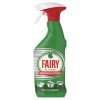
You could try fairy power spray.

5ED3611E-F43C-495B-9BA7-5FA83CEAF103.jpeg

Works well removing acrylics and cellulose primer, so might well work with enamels. It’s probably caustic soda based anyway……..that’s how it clears the grease so well.
 
Thread owner
Evening Tim, thanks!

Used that before, it works a treat. When I get the masking off I will be behind the settee lol
 
I tried that Fairy Power Spray on that Hataka acrylic that didn't dry properly... and it didn't do a thing after a day's soaking! Brake fluid (DOT 4) took the paint off in about an hour. I wonder if a brake specialist would give you some old used fluid?
Pete
 
Big difference in size Bob from the spoon to one of your hulls , no doubt it's the heat coursing the problem with the paint drying as you move along the hull .
In a large plastic container you can put boiling water, add Caustic Soda, Let it cool down to under 40 degrees Celsius. Leave the model in it overnight and the paint will be all gone the next morning, doesn`t matter what type of paint it is. Decals will be gone but clear parts remain intact.
Saw this tip on britmodeller. Never tried it my self as don't use enamels .
Acetone is another , bit strong to breath in an enclosed space but will work .suppose you would brush it on and wipe .
 
Big difference in size Bob from the spoon to one of your hulls , no doubt it's the heat coursing the problem with the paint drying as you move along the hull .
In a large plastic container you can put boiling water, add Caustic Soda, Let it cool down to under 40 degrees Celsius. Leave the model in it overnight and the paint will be all gone the next morning, doesn`t matter what type of paint it is. Decals will be gone but clear parts remain intact.
Saw this tip on britmodeller. Never tried it my self as don't use enamels .
Acetone is another , bit strong to breath in an enclosed space but will work .suppose you would brush it on and wipe .
Please don’t try this John. It’s dangerous. Mixing caustic soda (sodium hydroxide) and water produces an exothermic reaction…meaning it generates heat, lots of it, as the sodium hydroxide dissolves. If you mix hot water with sodium hydroxide, especially pellets, the mixture can get superheated, boil violently, and spit concentrated sodium hydroxide (caustic soda) all over the surrounding area. I know because I once did it by mistake at work. Believe me, you only do it once :anguished:
 
If it is just the hull I would just rub it down with 1000grit wet paper... Just enough to smooth the surface and spray over that.
 
Thread owner
Have posted pics on the build thread, seems a toxic job lol. Thank you all for your advice!
 
Please don’t try this John. It’s dangerous. Mixing caustic soda (sodium hydroxide) and water produces an exothermic reaction…meaning it generates heat, lots of it, as the sodium hydroxide dissolves. If you mix hot water with sodium hydroxide, especially pellets, the mixture can get superheated, boil violently, and spit concentrated sodium hydroxide (caustic soda) all over the surrounding area. I know because I once did it by mistake at work. Believe me, you only do it once :anguished:

Totally agree. Saw a H&S video of this exact thing (on a slightly larger scale) and it had fatal consequences for the operator in question
 
Totally agree. Saw a H&S video of this exact thing (on a slightly larger scale) and it had fatal consequences for the operator in question
No fatalities when I did it Alan……we just stood back and said “Oh look, Vesuvius” because that was exactly what it looked like, spitting globs of molten caustic out of a mound of pellets. Took hours to clean up afterwards though……and certainly made me much more careful in future….
 
No fatalities when I did it Alan……we just stood back and said “Oh look, Vesuvius” because that was exactly what it looked like, spitting globs of molten caustic out of a mound of pellets. Took hours to clean up afterwards though……and certainly made me much more careful in future….
A student in the college where I worked lost an eye through doing something similar.
Pete
 
A student in the college where I worked lost an eye through doing something similar.
Pete
That’s appealing! Who the hell was supervising…I knew better and was cutting corners I shouldn’t have, but a student doesn’t know better and should be protected from their own ignorance by those that do.
 
It wasn't my department Tim, but the lecturer in charge of the class at the time was cleared of any blame. I think the student had chosen to ignore both written and verbal instructions. This was in the early 70s and the outcome might have been different today.
Pete
 
Thread owner
We had a student Pete / Tim, removed a expansion bottle cap to fast and received nasty facial burns in the college workshop. Tried to sue the lecturer/ college for damages etc, failed when his legal representative saw the notes and the very relevant H & S section on the dangers of the cooling system.
 
Stupid thing about all of this is that caustic dissolves readily in cold water, and the Britmodeller tip says to let it cool down before use anyway….so why use boiling water in the first place???
 
Thread owner
Only ever saw my dad using it down a blocked drain, that was one hell of a show!
 
We had a student Pete / Tim, removed a expansion bottle cap to fast and received nasty facial burns in the college workshop. Tried to sue the lecturer/ college for damages etc, failed when his legal representative saw the notes and the very relevant H & S section on the dangers of the cooling system.
That, in a nutshell, is the purpose of complex written safety procedures. They are there, in the main, to protect the company from litigation. Nobody works with them in hand, in any practical operation it is simply not feasible to do this. To be of any use they would need to be copied multiple times and kept in every single work station. The logistical overhead of this is simply unworkable, because of the work required changing all of them every time a minor update is made, so a master set is kept in one location.

The stupidest thing in my industry was that we had to follow Standard operating procedures (SOPs) word for word and line by line as a legal requirement. Not a problem at all, that’s the business we were in. However, we were simply not allowed to write safety requirements into these operational SOPs. Both HSE (who say they must be separate and follow a standard format) and MHRA (who say only critical production steps must be documented) regulations just didn’t allow it.

As to caustic solution, I must have used literally millions of litres of the stuff in pharma kit cleaning over the years. It is very safe as long as you treat it with respect. I think the problem is that people hear the word “Acid” and they immediately turn on the threat radar…..sodium hydroxide and caustic soda just don’t raise the same awareness. No one would contemplate mixing concentrated hydrochloric acid into boiling water would they….
 
Please don’t try this John. It’s dangerous. Mixing caustic soda (sodium hydroxide) and water produces an exothermic reaction…meaning it generates heat, lots of it, as the sodium hydroxide dissolves. If you mix hot water with sodium hydroxide, especially pellets, the mixture can get superheated, boil violently, and spit concentrated sodium hydroxide (caustic soda) all over the surrounding area. I know because I once did it by mistake at work. Believe me, you only do it once :anguished:
Bloody hell ,Tim I didn' t want to get Mr StuG injured, glad you've mentioned the dangers.
Not a good idea from Britmodeler was it !
 
Back
Top