Theme editor

Scale Model Shop

pre shading tips wanted.

  • Thread starter Thread starter Guest
  • Start date Start date
Status
Not open for further replies.
G

Guest

Guest
Thread owner
its it possible to pre shade using a paint brush and at what thickness.

I tried pres shading with an airbrush but was rubbish splodges everywhere where as with a paint brush i can get into areas easier with too many mistakes.

Once pre shaded and the top coat of paint covers it i find in places the paint is too strong and covers my pre shading or when painted too thick it takes too many coating to get the effect im after is this a trail and error in all cases.
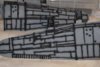
 
I've done pre shading before but always used an airbrush, I found that the trick is not to try and go for the dead straight line, after all its mostly going to be toned down when the top coats are applied. The top coats should be applied in thin layers and built up until you get the effect that you require. I'll link some pics of my 1:48th Lancaster that I pre shaded to try and help you.

View attachment 79218

View attachment 79219


As you can see the first pre shading isn't pretty but I was pleased with the end result, hope this helps you out.

Thanks

Adrian

View attachment 192241

View attachment 192242
 

Attachments

  • 001.JPG
    001.JPG
    2.6 KB · Views: 0
  • 002.JPG
    002.JPG
    2.2 KB · Views: 0
Practise makes perfect. Just don't practise on your kit!!!

Here are a few "training exercises" you might like to try.

Mix some paint as you would if it was for your kit, pop it in the airbrush and see how fine a line you can spray. Just spray onto a bit of card. If it is hard to get a thin line with out splatering, try thinning the paint a little more. If the paint starts to make centipede like crawly things, turn the air pressure down. Keep adjusting the paint and air until you can spray a fairly thin even line.

Next job is a fun one. Play noughts and crosses, using the airbrush that is. This will help with your brush control and aim also changing from straight to curved lines. As you get better, try doing then finer and smaller. Try to write your name as well. Nice simple block letters.

I know it all sounds a bore, but I still do the latter as a warm up some times when the hands and fingers are a bit stiff.

Ian M
 
Adrian, that is a great example! Looks great.

Ian M
 
Hi Gary

I wouldn't recommend using a brush to pre-shade as it will be difficult to blend the shade in.

Airbrushing the pre-shade is worth practicing as the pay off, in terms of the finish afterward, is great. It is, I'm afraid, a case of practice, practice, practice. There's no trick to this, I'm a firm believer that anyone can do this it's simply a matter of mastering the airbrush, paint and air pressure and just takes time.

Stick with it and you'll get there I'm sure.

All the best

Paul
 
good subject, you have brought up hear Gary, and of interesting as well,nice pictures too show as well Adrian, and shows the end result as you can just see the pre shading

and good trips as well Ian must remember them , as you said Practice makes perfect.
 
I once thought of a nice short cut for pre shading - a permanent marker. And what a disaster. I had to use so much paint to cover the pre shading, I just about filled in all detail on the model ! So for pre shading, it really does need to be an airbrush.
 
Nicely done Adrian.

Gary - I have to agree with others it is far better and more controllable with an airbrush and you do need to practise.

I find it easier myself to prime with a dark colour, black or green, then lighten the inside of the panels with a light grey primer instead of the other way around. No need to worry about all your pre-shading being in neat and tight lines either, it is best if chaotic and messy as weathering does not follow straight even patterns.

As mentioned after pre-shading build up your base coat very slowly with thin coats and my advice is to stop when you think there is still too much contrast, then make the contrast even greater by spraying a lightened and thinned mix of the base colour inside the panels....This will add additional colour variation as the paintwork on operational aircraft does not look at all even and this helps also to lighten for scale effect. It will look odd but what you then do is blend it together with filters until you get the contrast and effect you want. You do this with a very, very thin base coat misted over the model gradually building it up.

Gary - I did a much longer set of posts of my methods (and some pics) in the following thread that covers how I weather in other ways as well as pre and post shade. You might find it of help.

http://www.scale-models.co.uk/threads/weathering-and-distressing.25148/
 
Thread owner
cheers for the response guys looks like airbrush it is then i need more practice . i think its just the fear of ruining models and loosing heart. is ie easier to pre shade than post shade then guys.
 
Well the short answer to that is its just as easy, but the steaks are higher. Preshade you can adjust quite easy. Post shade... Cock that up and you risk the whole paint job.

I would suggest that you practice your airbrushing, start with preshade then as you feel that you are on top of that, have a go at post shade.

Of course you could just practice on card. Plastic boxes..

Ian M
 
Status
Not open for further replies.
Back
Top