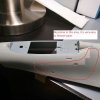
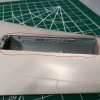
WELL Andrzej I USE this idea quite a lot on bit on my tiger to hold bits firmly in place as i just drill a 1mm hole in one bit an the same in the bit i want it to go too then i glue in brass 1mm pins an then put C/A on them an push togeather an ive not had a brakeage yet very firm holdAnybody has any ideas?![]()
Thanks, Chris!WELL Andrzej I USE this idea quite a lot on bit on my tiger to hold bits firmly in place as i just drill a 1mm hole in one bit an the same in the bit i want it to go too then i glue in brass 1mm pins an then put C/A on them an push togeather an ive not had a brakeage yet very firm hold
chrisb
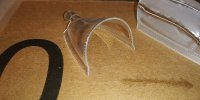
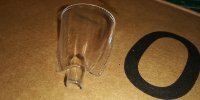
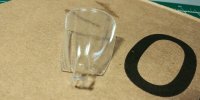
Just a question, and I don't have any form of answer, - is there a mechanism (similar to windscreen repairs) to inject an optically similar 'fluid' into the faults that anybody knows of?Fractures are harder to rectify as they appear in the clear plastic and not on the surface so it's either to get a new canopy or live with the fracture. He had the canopy opened so it's less obvious if you want to look into the cockpit.
Cheers,
Richard
Good question...both are different material therefore have different reactions to fractures and repairs. Have no answer though.Just a question, and I don't have any form of answer, - is there a mechanism (similar to windscreen repairs) to inject an optically similar 'fluid' into the faults that anybody knows of?
Steve
Hi John and thank you for a great reply.Just joined this rather late, so apologies Andrzeji .
Reading through your posts think we have all had problems like you describe, it's a big learning curve. Take you time, and most of all it's supposed to be fun with a sence of achievement, so enjoy :smiling3:
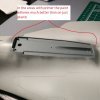
I used thinner, then knife and now will sand a bit where I can. Thanks!If the surface to be glued isn’t too complex, you can also just scrape off the paint with a knife.
Thanks, Jakko!AFAIK, primer has two main purposes, yes :smiling3: One is to adhere well to the unpainted material underneath, so that the next coats of paint won’t come off as easily, and the other is to tie the colours together so you don’t get them showing through the top layers of paint. That last part is only important if you have a model that is made up from notably lighter and darker parts, like if you’ve converted a model by using parts from another in a very different shade of plastic.
But whether or not paint adheres to plastic depends a lot on which brand and/or type of paint you use. I’ve found that Vallejo Model Air is best used with primer — it sometimes even beads up if you spray it on bare plastic. On the other hand, Tamiya and Mr. Hobby paints (which are alcohol-based) stick like glue even with nothing whatsoever underneath them, while Mission Models paint, after it has dried, can be removed from bare plastic with a wet (with water) paintbrush …

scalemodelling.co.uk is a privately operated online discussion forum. All content posted by members reflects their own views and opinions and does not necessarily represent those of the forum owners or administrators. While reasonable efforts are made to moderate content, no responsibility is accepted for user-generated material. By using this site, you agree to comply with UK law and the forum rules.