Theme editor

Scale Model Shop

unconventional modelling materials list

Thread owner
Nice one colin, im sure the r/c boat builders wil find these very interesting, cheers tony
 
Thread owner
1/32 aerial wire tensioning springs

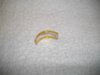
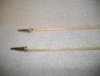
Heres something i found last night while messing about , and i thought it will be perfect for the tensioning spring in the aerial wire found on some ww2 aircraft (BF 109 for example) What i did was to get an old guitar string ( tip: find someone who plays guitar and badger them to save you all their old or broken strings , they are invaluable for allsorts!!) I dont know which string it is but its the thinnest of the wound type. cut a short length about 2", then whilst holding one end carefully pull the wire thats wound around the core off. Dont pull it all off, just leave about 1/4" still on the core ,then carefully pull out the core wire . What youll be left with is a tightly wound tube of wire which you can tease apart a bit to your liking and cut to size .The way to fit it is to thread it onto the aerial wire before fitting ,then when its on , just slide it up to where you want it and fix with a tiny spot of pva. Its a lot easier and less mess than breaking light bulbs to get the filaments, plus its not as fragile. Here are the pics to illustrate it better , cheers tony

View attachment 45494

View attachment 45495

View attachment 45496

View attachment 45497

View attachment 158520

View attachment 158521

View attachment 158522

View attachment 158523
 

Attachments

  • P1100573 [Desktop Resolution].JPG
    P1100573 [Desktop Resolution].JPG
    1.7 KB · Views: 0
  • P1100571 [Desktop Resolution].JPG
    P1100571 [Desktop Resolution].JPG
    2.1 KB · Views: 0
  • P1100572 [Desktop Resolution].JPG
    P1100572 [Desktop Resolution].JPG
    2.3 KB · Views: 0
  • P1100575 [Desktop Resolution].JPG
    P1100575 [Desktop Resolution].JPG
    1.7 KB · Views: 0
Another one for guitar strings. The thinnest wire ones are really stiff and take a bend well, so all sorts of uses there. Plus, if you cut a short section with side cutters, the resulting chisel end makes a serviceable ultra fine drill bit. Fine guitar strings are about 80p, and that's a lot of drill bits!

For nose weights I use lead shot or small ball bearings. Just mix them up with a little epoxy and pour into the nose cone before assembly.
 
That is a great tip Tony,I've actually been down the light bulb filament road and very tricky it is too.

Guitar strings ( round wound) also make very good oxygen hoses.

Cheers

Steve
 
hey tony, iam building a bf109 right now and my son is a guitarist so i am gonna try that...nice one
 
Came across a great one the other day whilst finishing off a box of After 8 mints. I pulled the insides out of the box and low and behold i had three long strips of corrugated sheets. ideal for painting and making tin roofs etc. Very light and easy to cut.

Andy
 
No mate, been at these since Christmas, took till now to finish them off lol
 
So having just finished those, you won't be needing any Eccles cakes on Sunday then?

Gern
 
Thread owner
Heres a quickie. Ever needed a partcular thickness of plastic card/ styrene sheet and couldnt find any? I came across a supply of various thicknesses (although only small pieces) the other day . Ok heres where it gets technical--View attachment 48124 Take one of these (any flavour but this maker and the type with the separate corner of goodies to tip in), peel back lid , throw away lid (its not foil ,so no good) , shove contents down pie hole , wash out container , done. View attachment 48123 The plastic sticks fine with all poly cements and the sides bottom and edges are all various thicknesses , the bit round the top being particularly strong , all you need to do is cut it into bits . I know its not a huge amount but most of the time I only use small bits of plastic card anyway and its a useful reserve plus its one of my five a day ( sweet snacks) cheers tony

View attachment 51001

View attachment 51002

View attachment 164027

View attachment 164028
 

Attachments

  • P1110037 [Desktop Resolution].jpg
    P1110037 [Desktop Resolution].jpg
    3 KB · Views: 0
  • P1110038 [Desktop Resolution].jpg
    P1110038 [Desktop Resolution].jpg
    2.4 KB · Views: 0
Hi guys, here's a couple of simple tips for this excellent thread.

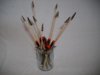
I claim no credit for the holders made with small crocodile clips (the type used by electricians - I picked up 20 off ebay for less than a fiver) and wooden skewers from my local pound shop. I saw these on one of those airbrush painting guides that you guys recommended a couple of weeks ago. Standing them in a jar with other bits and bobs keeps them apart so you can paint lots of bits and keep them separate while they dry.

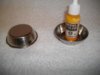
On the same site, I also saw the guy using a small stainless steel bowl for mixing paint. My missus found these (labelled 'Chutney bowls') in the local Wilkinson's store. I've included the Vallejo to give you an idea of their size. They're also flat bottomed so less likely to topple over.

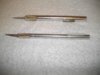
I use the bent piece of PE as a scribing guide. It is only the left-over frame from some seatbelts, but it is thick enough to act as a guide for your scriber and thin enough to be bent round curved surfaces. It's also wide enough for you to tape it to the surface if you're worried about clamping it with just your fingers.

Sticking a short length of sprue like this to the handle of your knife stops it rolling about - and eventually falling off your workbench and stabbing something delicate such as the cat or your foot!

Gern

View attachment 51323

View attachment 51324

View attachment 51325

View attachment 51326

View attachment 51327

View attachment 164349

View attachment 164350

View attachment 164351

View attachment 164352

View attachment 164353
 

Attachments

  • Scribing guide.jpg
    Scribing guide.jpg
    1.6 KB · Views: 0
  • Mixing.jpg
    Mixing.jpg
    1.9 KB · Views: 0
  • Knife guard.jpg
    Knife guard.jpg
    1.7 KB · Views: 0
  • Holders2.jpg
    Holders2.jpg
    1.6 KB · Views: 0
  • Holders1.jpg
    Holders1.jpg
    1.6 KB · Views: 0
Seeing your mixing bowls reminded me. I use stainless steel egg cups from Ikea come in a pack of four and are pretty cheap.

For swan and Morten users that like I was, is having problems with gripping the steel handles, just use the handle a couple of times to put CA on. As we know it dries to a nice hard and rough surface.

I haven't dropped one since...Important, make sure that all CA is totally dry before you use the knife though. LOL ask me how I found that out.....

Ian M
 
\ said:
Hi guys, here's a couple of simple tips for this excellent thread.I claim no credit for the holders made with small crocodile clips (the type used by electricians - I picked up 20 off ebay for less than a fiver) and wooden skewers from my local pound shop. I saw these on one of those airbrush painting guides that you guys recommended a couple of weeks ago. Standing them in a jar with other bits and bobs keeps them apart so you can paint lots of bits and keep them separate while they dry.

On the same site, I also saw the guy using a small stainless steel bowl for mixing paint. My missus found these (labelled 'Chutney bowls') in the local Wilkinson's store. I've included the Vallejo to give you an idea of their size. They're also flat bottomed so less likely to topple over.

I use the bent piece of PE as a scribing guide. It is only the left-over frame from some seatbelts, but it is thick enough to act as a guide for your scriber and thin enough to be bent round curved surfaces. It's also wide enough for you to tape it to the surface if you're worried about clamping it with just your fingers.

Sticking a short length of sprue like this to the handle of your knife stops it rolling about - and eventually falling off your workbench and stabbing something delicate such as the cat or your foot!

Gern
Nice one Dave i've been using old empty baby food jars for mixing paint but these chutney bowls are cool, will need to head to wilkos. the crockodile and skewer tip is very nice like it.

scott
 
Hi Yak Face, Just to add to your picture wire post. If you anneal the brass wire first ( heat over flame until cherry-red then allow to cool slowly ) it makes it easier to twist tighter and also bend to conform to whatever shape you want. ie tank hull

Paul
 
Dunhelm stores have a wide selection of colours and thicknesses of wire in their crafts section.

Not bad prices either ... starting at 99p.
 
Back
Top