Theme editor

Scale Model Shop

Wet Palette?

Dave Ward

New member
Joined
Apr 27, 2018
Messages
10,549
Reaction score
43
Points
0
1/3
Thread owner
I've seen these advertised, and I've read recommendations in various places. I've read the makers descriptions - now, I may be a bit naive, but this just looks like a form of blotting paper over a sponge. Am I missing something, or is there more to the wet palette?
Dave
 
I've seen these advertised, and I've read recommendations in various places. I've read the makers descriptions - now, I may be a bit naive, but this just looks like a form of blotting paper over a sponge. Am I missing something, or is there more to the wet palette?
Dave
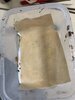
I make my own...a small tupperware tub, a layer of sponge or kitchen towel in the bottom, with a layer of baking parchment over the top. Small amount of water in the bottom, just enough to soak the sponge. Keeps your paint good for days when sealed.
 

Attachments

  • image.jpg
    image.jpg
    3 KB · Views: 0
I've seen these advertised, and I've read recommendations in various places. I've read the makers descriptions - now, I may be a bit naive, but this just looks like a form of blotting paper over a sponge. Am I missing something, or is there more to the wet palette?
Dave
No Dave there is nothing special to it.
It would be easy to make your own with a shallow dish, a piece of foam, a layer of felt. you mix the paint on a sheet of baking parchment or greaseproof paper on top of that.
The funky ones have an airtight lid,which does help to keep the paint usable until at least the next day.
BUT I wouldn't be without it now I have a started to use it, because it keeps the paint you are using usable on the palette for much longer than a porcelain one.
 
Dave, I used this pallete for sometime and thought I mentioned it in the last forum. Its usually good for acrylics and when you mix and blend the tones without it drying up too fast.

Cheers,
Richard
 
This guy gives some useful do's and don'ts and a how to:


Edit: Ignore the fact he throws his away at the start! There's a perfectly logical explanation.
 
Indispensable for figure painting in my opinion, but not that useful for armour or aircraft. I’ve made mine from a small shallow sandwich box. Having used both baking parchment and proper capillary paper I would recommend the use of the correct paper instead of baking parchment . The baking parchment can allow too much water to leach through so diluting the paint overnight. Capillary paper is much more controllable....
 
Something I've been wondering for a while - what do you figure painting maestros do with brushes? Keep using the same one, rinsing it between colours, or keep stopping to properly clean your brush, use a different one for each colour but wrap in wet tissue until you finish a session, or something else I haven't thought of?
Pete
 
My mate Mike Butler put me onto one made of a Chinese take-away pot, kitchen towel with baking/grease-proof paper. Add a drop of anti-bac to the water and you've got your palette.
Andy


This is a link to Mike's video of what he does.
 
Thread owner
Not doing a lot of figures - I don't need a large sized palette - around A5 is sufficient - and looking at retail wet palettes, the cheapest being around £11 ( and ongoing cost of consumables ), I reckon I'll have a go at making my own. The only thing I don't possess is parchment paper! ( now on order from ebay ), everything else is in my cupboard or drawers. I'm not expecting to keep the paints useable for weeks, just a few days! I'll post on how I get on ( when the paper arrives )
Dave
 
I found the Daler Rowney refill pack for a fiver, 3 sheets of resevoir paper and 12 of the top paper, then just used my own tray.
Anti-bac is a good idea as I had a bit go mouldy on me once........
 
My mate Mike Butler put me onto one made of a Chinese take-away pot, kitchen towel with baking/grease-proof paper. Add a drop of anti-bac to the water and you've got your palette.
Andy


This is a link to Mike's video of what he does.
[/QUOTE
I was just about to ask about the anti bac but I see the answer now. Sounds a good idea.
 
Hi Peter
With regard to brushes, I rinse between colours most of the time....I have old brushes I use for mixing and dry brushing. Never use the good ones, it kills the points. Another tip is never to put a good brush into paint dry, dip it first in water to keep the paint from being drawn straight into the ferrule and wrecking the point. I always finish a painting session by cleaning the brush in Masters Brush Cleaner and repointing the tip. Store brushes point down with the bristles in the plastic protectors so that any residual diluted paint doesn’t migrate to the ferrule and wreck the point.
Working this way my good brushes (Currently Rosemary and Co series 93 Sizes 0 and 1) last me twelve months or more and they are used virtually every day.
 
Great tip Tim on the brushes. :thumb2:

Cheers,
Richard
 
Not exactly a wet palette but here's my solution to storing the paints I'm using.

Since I mix a lot of my own colours I do so in milk bottle tops. Taking a container that our wash tablets come in, I put some sponge cloth in the bottom, soak it in water, and the paints stay workable for ages. I've used some up to 2 weeks after mixing, and of course I can use the lid as a palette if I want to tint one of them a bit.

View attachment 395965

View attachment 395966
 
I made my own out of a takeaway food dish, a thin household sponge cut to shape and baking parchment. They are really good as long as you remember to put the lid on.
 
Back
Top